Evaluating Horse Riding Journal Interiors for KDP Publishing
The equestrian niche remains a consistent performer within the low-content and no-content book market on Amazon Kindle Direct Publishing (KDP). For publishers seeking to enter or expand within this category, ready-to-use PDF files for a Horse Riding Journal Interior offer a streamlined path to publication. These digital assets typically consist of pre-formatted, 100-page interiors designed specifically for print-on-demand workflows. Understanding the utility, limitations, and strategic application of these files is essential for making informed publishing decisions that align with business goals and reader expectations.
Defining the Ready-to-Use Journal Interior
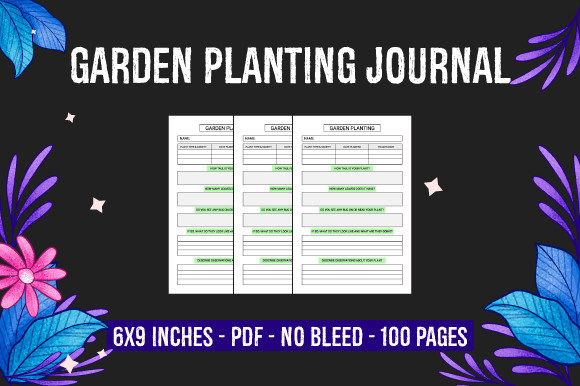
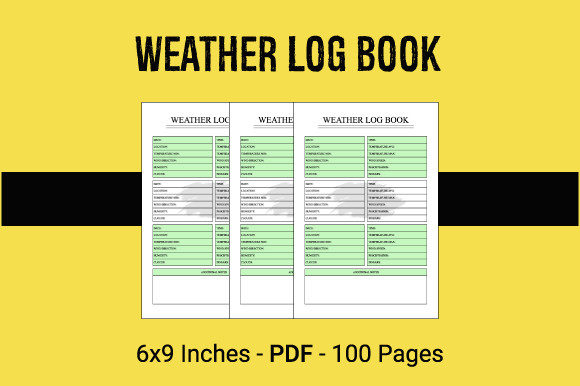
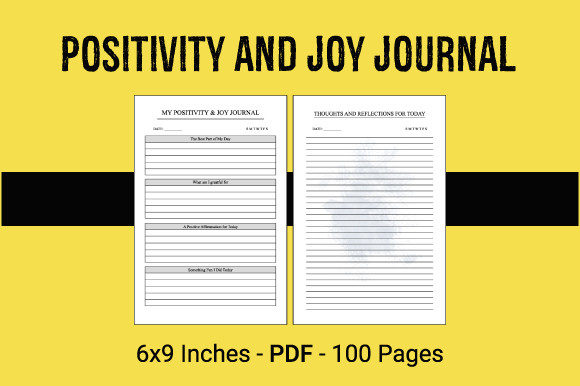
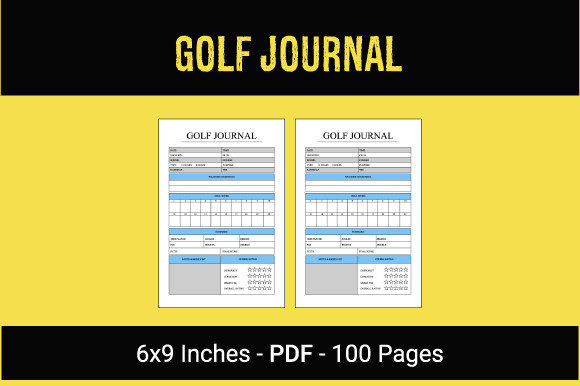
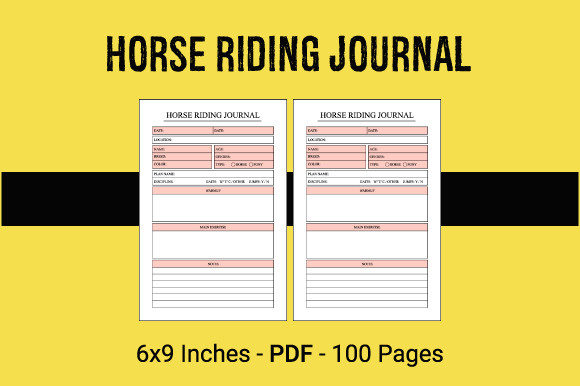
A Horse Riding Journal Interior in this context refers to a high-resolution PDF file containing structured layouts relevant to equestrian activities. Unlike blank notebooks, these interiors provide functional value through specific prompts and tracking tables. Standard specifications for these assets include a 6″ x 9″ trim size, which is widely considered the industry standard for personal journals due to its portability and shelf presence. The files are generally configured as "no bleed," meaning all content stays within safe margins, simplifying the upload process and reducing formatting errors during KDP review.
The 100-page count is a strategic specification. It provides sufficient volume for a rider to track progress over several months without making the book too thick or expensive to produce. This page count balances perceived value with printing costs, allowing for competitive pricing while maintaining healthy royalty margins. The interior usually includes sections for ride logs, horse health records, training goals, competition notes, and reflection pages, catering to both casual riders and serious competitors.
Strategic Benefits for POD Publishers
The primary advantage of acquiring a pre-made Horse Riding Journal Interior is the significant reduction in time-to-market. Designing a functional, aesthetically pleasing, and technically correct journal from scratch requires proficiency in design software and an understanding of KDP’s technical specifications. Ready-to-use files eliminate the learning curve associated with margin settings, gutter space, and resolution requirements. This allows publishers to focus their energy on keyword research, cover design, and marketing rather than production mechanics.
Furthermore, these interiors mitigate technical risk. KDP has strict quality standards regarding line weight, text clarity, and safe zones. High-resolution PDF files sourced from reputable designers have typically been tested against these parameters. Using a verified template reduces the likelihood of manuscript rejection or poor print quality, which can damage a publisher's account standing and result in negative customer reviews. For new publishers, this reliability is often worth the initial investment.
Tradeoffs and Market Considerations
While efficiency is a major benefit, reliance on ready-to-use interiors introduces specific tradeoffs that must be weighed carefully. The most significant concern is market saturation. Because these files are accessible to multiple buyers, identical interiors may appear across various listings. If a publisher relies solely on the interior to differentiate their product, they will struggle to compete. In the current KDP landscape, the interior is merely the foundation; the unique selling proposition must come from the cover design, title optimization, and targeted niche positioning.
Another consideration is customization flexibility. Pre-made PDFs are static. Publishers cannot easily add, remove, or modify pages to suit a specific sub-niche, such as dressage-specific scoring or western pleasure training logs. If the target audience requires highly specialized tracking features that the standard 100-page template lacks, the product may fail to meet user needs. Publishers must evaluate whether the generic nature of the interior aligns with the specific demands of their chosen keyword segment.
Situational Fit: When to Use Pre-Made Interiors
Ready-to-use Horse Riding Journal Interiors are particularly well-suited for publishers testing new niches. If you are unsure whether a specific equestrian sub-category has demand, using a pre-made interior allows for low-risk validation. You can publish quickly and gauge sales performance before investing in custom design work. This approach supports a data-driven publishing strategy where resources are allocated only to proven winners.
These assets also serve established publishers looking to scale their catalog efficiently. For businesses managing hundreds of SKUs, creating custom interiors for every title is operationally unfeasible. A standardized, high-quality interior allows for rapid expansion into adjacent keywords, such as "horse show diary," "pony club logbook," or "equestrian fitness tracker," provided the cover and metadata are sufficiently differentiated. The consistency in page count and trim size also simplifies inventory management and ad creative production.
When Alternatives Are Preferable
There are distinct scenarios where purchasing a ready-to-use PDF is not the optimal choice. If your goal is to build a recognizable brand series with proprietary content, generic interiors will limit long-term growth. Brand loyalty in the journal niche is built on unique user experiences and distinctive aesthetics that cannot be replicated by competitors sharing the same source files. In such cases, hiring a designer or learning to create custom interiors yields better long-term asset value.
Additionally, if you are targeting a highly technical or underserved micro-niche, off-the-shelf interiors often lack necessary specificity. For example, a journal designed for endurance riding requires different metrics than one for therapeutic horsemanship. Forcing a generic template onto a specialized audience leads to poor reviews and returns. In these instances, custom development is necessary to deliver genuine utility. Publishers should conduct thorough competitor analysis; if existing bestsellers feature highly customized interiors, a generic alternative is unlikely to succeed.
Practical Decision-Making Framework
To determine if a ready-to-use Horse Riding Journal Interior aligns with your objectives, evaluate the following factors:
- Licensing Terms: Verify whether the license permits commercial use on KDP and whether it grants exclusivity or non-exclusivity. Non-exclusive licenses require stronger differentiation elsewhere.
- Technical Compatibility: Confirm the file is exactly 6″ x 9″ with appropriate margins for a 100-page no-bleed book. Mismatched dimensions cause costly reformatting delays.
- Audience Alignment: Review the included page types against actual search intent. Does the interior solve the specific problem implied by your target keywords?
- Differentiation Potential: Assess whether you can create a cover and listing that make the book feel unique despite the shared interior. Visual branding is critical here.
- Cost vs. ROI: Calculate the break-even point based on expected royalties. Ensure the upfront cost does not erode profitability given the competitive pricing typical in this niche.
Ultimately, a ready-to-use Horse Riding Journal Interior is a tool, not a guaranteed outcome. Its value depends entirely on how it is integrated into a broader publishing strategy. For publishers who understand its role as a foundational component rather than a complete solution, it offers an efficient way to participate in the equestrian journal market. Success requires combining this operational efficiency with thoughtful niche selection, compelling cover design, and accurate metadata to deliver a product that resonates with riders despite the underlying standardization.