Streamlining Your Publishing Workflow with a Kayaking Log Book KDP Interior
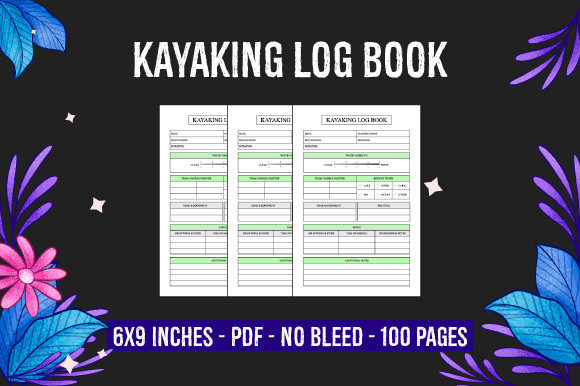
The print-on-demand landscape has shifted dramatically in recent years. Where creators once spent dozens of hours formatting spreadsheets or wrestling with design software to create niche journals, the modern workflow prioritizes speed without sacrificing quality. For publishers targeting outdoor enthusiasts, specifically paddlers and kayakers, finding a reliable foundation is often the biggest bottleneck. This is where a pre-formatted KDP Interior - Kayaking Log Book becomes an essential asset in your digital publishing arsenal.
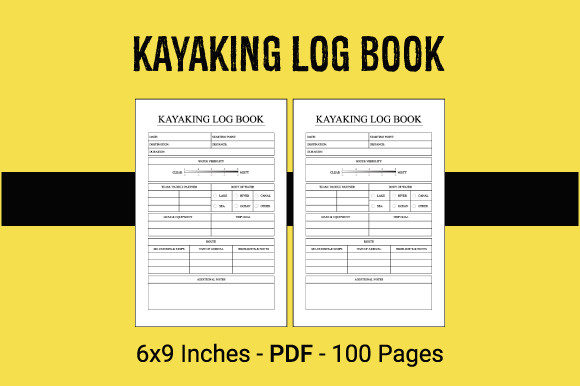
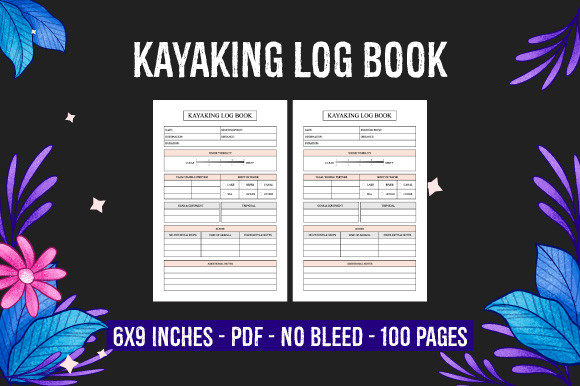
Rather than building a logbook from scratch, utilizing a ready-to-use PDF file allows you to bypass the technical formatting phase entirely. These interiors are designed specifically for the 6″ x 9″ trim size, which is widely considered the gold standard for portable field journals. When you have a high-resolution, 100-page template at your disposal, your role shifts from graphic designer to curator. You simply add a compelling cover and publish, transforming a complex production task into a streamlined creative process.
Why the 6x9 Trim Size Dominates Outdoor Journals
Dimensions matter significantly when creating functional books for active lifestyles. While larger formats like 8.5" x 11" work well for desk reference, they fail in the field. A kayaker cannot easily stow a large workbook in a dry bag or a PFD pocket. The 6″ x 9″ dimension included in this interior file strikes the perfect balance between writing space and portability.
This specific size offers several practical advantages for the end-user:
- Ergonomics: It fits comfortably in one hand, allowing for quick notes while on the water or during a brief shore break.
- Storage Compatibility: Standard dry boxes and waterproof cases are typically sized to accommodate 6x9 gear.
- Perceived Value: In the POD market, this trim size signals "field guide" or "logbook" rather than "textbook," aligning with customer expectations for outdoor gear.
When selecting a KDP Interior - Kayaking Log Book, ensuring the dimensions match industry standards prevents returns and negative reviews. Customers expect a tool that travels with them, not just a book that sits on a shelf. By adhering to the 6x9 format, you ensure the physical product meets the functional demands of the kayaking community.
Analyzing the 100-Page Structure
Page count is more than just a number; it dictates the spine width and the perceived utility of the journal. A 100-page interior provides enough volume for a full season of paddling without making the book cumbersome. For low-content publishers, this length is also a sweet spot for printing costs and royalty margins on Amazon KDP.
A well-designed kayaking logbook interior goes beyond simple lined paper. It should anticipate the data points a paddler needs to track. High-quality templates include structured fields for wind speed, water temperature, tide charts, launch and landing locations, and wildlife sightings. When you utilize a pre-made PDF, you leverage research that has already been done. Instead of guessing what columns a kayaker might need, you provide a proven layout that adds genuine value to their hobby. This distinction separates generic notebooks from specialized tools that command higher price points and better customer loyalty.
Navigating Bleed vs. No Bleed Settings
One of the most common technical hurdles in KDP publishing is understanding bleed settings. This digital file package removes the ambiguity by providing options or clear specifications for both bleed and no-bleed configurations. Understanding the difference is vital for a professional finish.
No Bleed means all text and graphics stay within a safe margin, typically 0.375 inches from the edge. This is the safer option for logbooks where functionality reigns supreme. Tables, checkboxes, and writing prompts must remain fully visible and uncluttered by the binding gutter. Most kayaking log interiors utilize no-bleed layouts to ensure every data field is usable.
Bleed extends artwork to the very edge of the page. While less common for the internal tables of a logbook, bleed settings become relevant if you include decorative headers, footer graphics, or full-page illustrations. Having access to high-resolution files that account for these variables ensures you never face rejection during the KDP upload review process. The included PDF files are pre-configured to meet Amazon’s strict printing tolerances, saving you from the frustration of pixelation errors or margin warnings.
The Advantage of High-Resolution PDF Files
In the world of Print on Demand, image clarity is non-negotiable. Blurry lines or pixelated text instantly devalue a product. The KDP Interior - Kayaking Log Book files are provided in high-resolution PDF format to guarantee crisp printing. Vector-based lines and sharp typography ensure that even the smallest checkboxes and fine grid lines reproduce perfectly on standard KDP paper stock.
Using high-res source files also future-proofs your business. Should you decide to expand to other platforms like Barnes & Noble Press, Lulu, or IngramSpark later, these master files will meet the rigorous quality standards of those distributors as well. Low-quality interiors limit your distribution; professional-grade PDFs open doors.
Integrating Ready-to-Use Interiors into Modern Workflows
The primary benefit of acquiring a ready-to-use interior is time efficiency. In a competitive niche, speed to market can determine success. Creating a custom 100-page logbook from scratch might take 20 to 40 hours of design work, proofing, and testing. With a pre-formatted file, that timeline compresses to minutes.
This efficiency allows for greater experimentation. Instead of betting everything on a single title, you can test multiple cover designs against the same proven interior. Perhaps a minimalist vector cover appeals to sea kayakers, while a vibrant photographic cover attracts recreational lake paddlers. Because the interior cost (in terms of time) is near zero, you can afford to iterate on marketing and branding strategies rapidly.
Furthermore, these interiors serve as excellent educational tools. If you are new to the kayaking niche, studying the structure of a professional logbook teaches you what matters to the audience. You learn the terminology, the necessary metrics, and the flow of information. This knowledge informs your keyword research, ad copy, and book description, making your overall listing more authoritative and searchable.
Customization and Brand Identity
While the files are ready to use, they also serve as a robust foundation for customization. Publishers often worry about duplicate content issues on KDP. However, Amazon’s algorithms primarily flag identical metadata and covers. Using a standard interior is generally acceptable, but adding unique touches elevates your brand.
Consider how you might lightly modify the provided PDF to make it distinct:
- Add a Branded Title Page: Insert a custom first page with your publishing imprint logo and a welcome message.
- Include Resource Pages: Add two pages at the back featuring local kayak rental contacts, safety checklists, or knot-tying diagrams.
- Create Series Consistency: Use the same interior structure across different regional editions (e.g., "Pacific Northwest Kayaking Log" vs. "Florida Coastal Paddling Journal") to build a recognizable series.
These small modifications, combined with a unique cover, transform a generic template into a proprietary product. The KDP Interior - Kayaking Log Book handles the heavy lifting of layout and pagination, freeing your creative energy for differentiation and marketing.
Practical Considerations Before Publishing
Before uploading your final PDF, always order a physical proof. Digital screens can be deceiving regarding contrast and line weight. A kayaking logbook relies heavily on usability; if the gray lines are too faint to write over, or if the binding eats into the writing space, the user experience suffers. The 6x9 no-bleed format generally mitigates binding issues, but verification is key.
Also, consider the paper type. KDP standard color and black-and-white papers have different opacities. Logbooks are typically best suited for black-and-white standard paper, as it reduces glare on the water and keeps the book affordable. Ensure your high-resolution PDF is optimized for grayscale printing to avoid unexpected color conversion artifacts.
Ultimately, success in the low-content and medium-content space comes down to serving a specific need effectively. Kayakers want to record their journeys safely and conveniently. By leveraging a professionally formatted, 100-page, 6x9 interior, you provide exactly that solution. You move past the technical barriers of book manufacturing and focus on connecting with an audience passionate about their time on the water. The tools are ready; the opportunity lies in how you present them to the world.