Evaluating the Positivity and Joy Journal KDP Interior for Low-Content Publishing
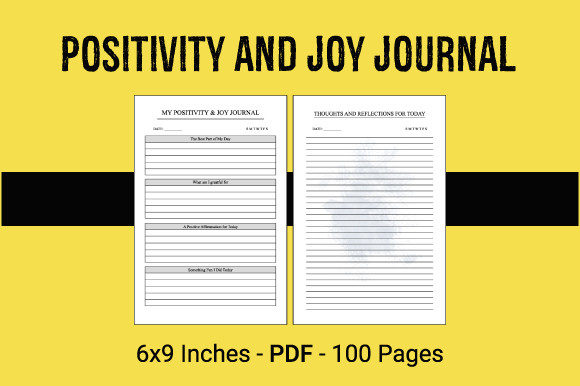
For self-publishers operating within the Amazon Kindle Direct Publishing (KDP) ecosystem, the selection of an interior file is a strategic decision that directly influences product quality, customer satisfaction, and long-term brand viability. The Positivity and Joy Journal KDP Interior represents a specific category of ready-to-use digital assets designed to streamline the creation of mental wellness and gratitude-focused low-content books. This resource typically provides a pre-formatted, 100-page PDF at 6″ x 9″ dimensions with no bleed settings, allowing creators to bypass the design phase and move directly to cover creation and publication.
While the convenience of plug-and-play interiors is appealing, publishers must evaluate whether this specific format aligns with their business goals and audience expectations. Understanding the technical specifications, market positioning, and inherent tradeoffs of using a standardized Positivity and Joy Journal KDP Interior is essential for making an informed investment. This analysis explores where this resource fits within the broader landscape of print-on-demand publishing and how it compares to alternative production methods.
Technical Specifications and Production Standards
The utility of any KDP interior relies heavily on its adherence to printing standards and user experience requirements. A professionally prepared Positivity and Joy Journal KDP Interior addresses several critical technical factors that often cause rejection or poor reviews in amateur publications.
- Trim Size and Margins: The 6″ x 9″ dimension is the industry standard for trade paperbacks in the journaling niche. It offers sufficient writing space without being cumbersome to carry. Crucially, a "no bleed" configuration ensures that all text and graphical elements remain safely within the printable area, eliminating the risk of content being trimmed off during manufacturing.
- Page Count Optimization: A 100-page count strikes a functional balance. It is thick enough to be perceived as a substantial value by customers but thin enough to keep printing costs low, thereby preserving royalty margins. For positivity journals, 100 pages often translates to three months of daily entries or six months of bi-daily reflection, which is a psychologically manageable commitment for users.
- Resolution and File Integrity: High-resolution PDF files are non-negotiable. Blurry prompts or pixelated decorative elements immediately signal low quality to buyers. Ready-to-use interiors should be vector-based or high-DPI raster images to ensure crisp printing on KDP’s standard cream or white paper stocks.
When evaluating a specific file, verify that the interior includes necessary front and back matter, such as title pages, copyright notices, and introductory instructions. A bare-bones PDF lacking these elements requires additional formatting work, negating some of the time-saving benefits.
Comparing Pre-Made Interiors to Custom Design
Publishers generally face a choice between purchasing ready-made assets like the Positivity and Joy Journal KDP Interior, creating custom interiors from scratch, or hiring freelance designers. Each approach carries distinct advantages and limitations regarding cost, uniqueness, and scalability.
Speed to Market vs. Brand Differentiation
Pre-made interiors excel in speed. A publisher can theoretically upload a book within hours of purchase. This is advantageous for testing niche keywords or capitalizing on seasonal trends, such as New Year resolutions or Mental Health Awareness Month. However, this speed comes at the cost of exclusivity. Because these files are often sold to multiple users, identical interiors may exist across dozens of listings. In contrast, custom design requires significant upfront time or financial investment but results in a unique product that can be trademarked and built into a recognizable series.
Cost Efficiency vs. Long-Term Value
Ready-to-use PDFs are typically priced as a one-time expense, making them highly cost-effective for beginners or those managing large portfolios. Custom design involves recurring costs per title or hourly rates. However, if a pre-made interior receives negative feedback due to over-saturation or poor layout, the initial savings may be offset by wasted advertising spend and lost organic ranking potential. Publishers must weigh the low barrier to entry against the potential ceiling on growth imposed by generic content.
Assessing Content Fit and Audience Alignment
Not all positivity journals serve the same demographic. The term "joy" encompasses various sub-niches, from clinical cognitive behavioral therapy (CBT) exercises to spiritual manifestation or simple daily gratitude. Evaluating whether a specific Positivity and Joy Journal KDP Interior matches your target reader is more important than the aesthetic appeal alone.
Structured vs. Unstructured Formats: Some interiors provide rigid frameworks with specific prompts for morning and evening reflection, while others offer blank lined pages with occasional inspirational quotes. Research indicates that adult users aged 20–50 often prefer hybrid approaches that offer guidance without feeling restrictive. If the pre-made interior is too rigid, it may alienate users seeking creative freedom; if it is too vague, it may fail to provide the therapeutic structure they are purchasing.
Tone and Visual Language: The design elements should reflect the intended emotional resonance. Minimalist, clean lines appeal to professionals seeking stress reduction, while ornate, floral designs may attract hobbyist journalers. A mismatch between the interior’s visual tone and the cover marketing can lead to returns. Before purchasing, review sample pages to ensure the typography, spacing, and prompt language align with the specific segment of the positivity market you intend to serve.
Strategic Tradeoffs and Limitations
Utilizing a ready-to-use Positivity and Joy Journal KDP Interior involves accepting certain constraints. Acknowledging these limitations upfront allows publishers to develop mitigation strategies rather than encountering them post-publication.
- Licensing Restrictions: Most commercial licenses for pre-made interiors prohibit trademarking the interior content itself. You own the compiled book, but not the underlying design assets. This limits legal protection against copycats who might use the same source file.
- Inability to Update: Unlike editable source files (such as Canva templates or InDesign files), a flattened PDF cannot be modified. If you discover a typo, wish to change a prompt, or want to add your website URL to the footer, you cannot do so without recreating the entire document. This rigidity makes iterative improvement difficult.
- Market Saturation Risks: Popular interior packs are widely distributed. Relying solely on best-selling templates increases the likelihood of competing directly with identical products. Success with pre-made interiors often depends entirely on superior cover design, keyword research, and external marketing, as the interior content cannot serve as a differentiator.
Decision Framework: When to Use Ready-Made Files
Determining whether a Positivity and Joy Journal KDP Interior is the right asset depends on your current business stage and objectives. There is no universally correct answer, only context-appropriate choices.
This resource is likely a strong fit if:
- You are new to KDP and need to learn the upload and publishing workflow without the complexity of design software.
- You are conducting market research and need to test multiple niches quickly with minimal financial risk.
- You have strong skills in cover design and SEO but lack interior formatting expertise.
- You are building a high-volume portfolio where individual book perfection is less critical than aggregate presence.
Alternative options should be considered if:
- You are establishing a premium brand where unique intellectual property is central to your value proposition.
- You plan to sell companion digital products (e.g., printable versions) and require editable source files for cross-platform adaptation.
- Your target niche requires specialized content (e.g., trauma-informed prompts) that generic positivity templates do not adequately address.
- You have previously received feedback criticizing generic interiors and need to pivot toward higher-quality, bespoke offerings.
Maximizing Value Through Strategic Implementation
If you decide to proceed with a ready-to-use Positivity and Joy Journal KDP Interior, several practices can enhance its effectiveness and mitigate common drawbacks. Treat the pre-made file as a foundation rather than a finished product.
Cover Design as Primary Differentiator: Since the interior is shared, the cover must do the heavy lifting of branding. Invest in professional cover design that visually communicates the specific angle of your journal. Avoid using stock imagery commonly associated with the interior pack; instead, create original artwork or license exclusive photography to establish visual distinction.
Enhanced Metadata and Description: Clearly articulate what makes your specific offering valuable despite using a common interior. Highlight unique aspects of your curation, the specific problem your journal solves, or supplementary resources you provide (such as access to a community or bonus digital downloads). Transparency builds trust; acknowledging the format while emphasizing your unique value proposition is more effective than pretending the interior is custom-made.
Bundle and Series Strategy: Consider using the pre-made interior as part of a larger ecosystem. Pair it with a custom-designed workbook, affirmation card deck, or guided meditation audio. This creates a differentiated bundle where the journal serves as an entry point to your broader brand, reducing reliance on the interior’s standalone competitiveness.
Ultimately, the Positivity and Joy Journal KDP Interior is a tool—a means to an end rather than an end in itself. Its value is determined not by its inherent features but by how strategically it is deployed within a thoughtful publishing plan. By understanding its specifications, comparing it honestly against alternatives, and implementing it with awareness of its limitations, publishers can leverage this resource effectively while building sustainable, reader-focused businesses in the competitive low-content book market.