Evaluating Weather Log Book Interiors for KDP Publishing
The low-content and no-content book market on Amazon Kindle Direct Publishing (KDP) has matured significantly, moving beyond simple lined journals to specialized functional tools. Among these niche products, the Weather Log Book represents a specific intersection of hobbyist tracking, scientific observation, and practical record-keeping. For publishers and creators evaluating digital assets for Print on Demand (POD), understanding the utility and structural requirements of a weather journal is essential before investing in or utilizing ready-to-use PDF interiors. This evaluation focuses on determining whether a pre-formatted 100-page interior aligns with current market demands and quality standards.
Defining the Functional Scope of a Weather Log Book
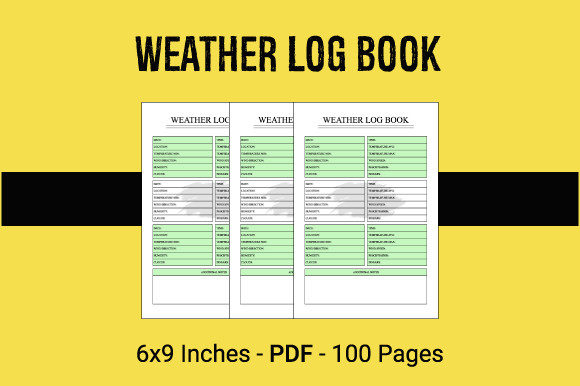
A Weather Log Book is distinct from a standard diary or planner. It is a structured data collection tool designed to capture meteorological variables over time. When evaluating a ready-to-use PDF interior for this purpose, one must assess whether the layout supports genuine observation rather than mere note-taking. A functional weather journal typically requires dedicated fields for temperature (high/low), barometric pressure, wind speed and direction, precipitation type and amount, humidity, and cloud cover.
For KDP publishers, the definition extends to user experience. The interior must balance writing space with structured data entry. If the PDF template provides only blank lines without labeled categories, it fails as a specialized log book and becomes a generic notebook. Conversely, if the fields are too restrictive, they may not accommodate users in different climates who need to track region-specific phenomena like snow depth, UV index, or severe weather events. The 6″ x 9″ dimension specified in many POD assets is generally considered the industry standard for portable field guides, offering sufficient surface area for data tables while remaining pocket-friendly for outdoor use.
Assessing Market Viability and User Intent
Publishers should evaluate the target audience before selecting a weather log interior. Potential buyers for this niche generally fall into three categories: amateur meteorologists and storm chasers, gardeners and homesteaders, and outdoor enthusiasts. Each group has different expectations for the interior layout.
- Amateur Meteorologists: Require precise, granular data fields and potentially graph paper sections for plotting trends over time. They value consistency and scientific accuracy in the terminology used within the log.
- Gardeners and Homesteaders: Prioritize correlations between weather and plant growth. They may benefit from interiors that include space for noting frost dates, soil conditions, or planting schedules alongside daily weather metrics.
- Outdoor Enthusiasts: Focus on safety and planning. Their logs might emphasize wind chill, heat index, and visibility rather than barometric pressure trends.
When reviewing a 100-page PDF asset, determine which segment it serves. A "one-size-fits-all" approach often results in a product that satisfies no specific user deeply. High-performing KDP books in this category usually solve a specific problem for a defined sub-niche rather than attempting to be a universal weather tracker.
Technical Evaluation of Ready-to-Use PDF Assets
The technical specifications of the digital file directly impact the final print quality and customer satisfaction. When acquiring or creating a Weather Log Book interior, several non-negotiable factors require verification.
Resolution and Line Weight: Print on Demand technology differs from commercial offset printing. Lines that appear crisp on a screen may print faintly or pixelated if the source file is not high-resolution. Ensure the PDF is at least 300 DPI. Furthermore, line weight matters; extremely thin hairlines may disappear during the POD process, while overly thick lines can look amateurish and consume excessive ink, potentially affecting grayscale rendering.
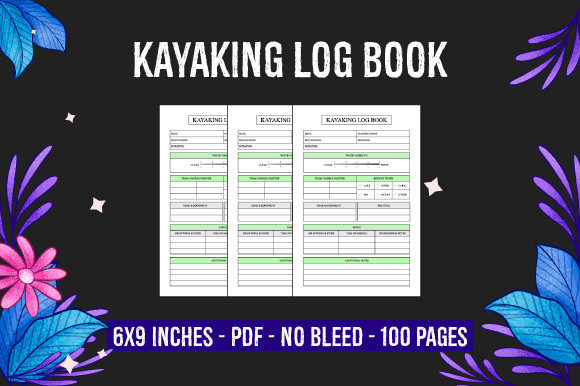
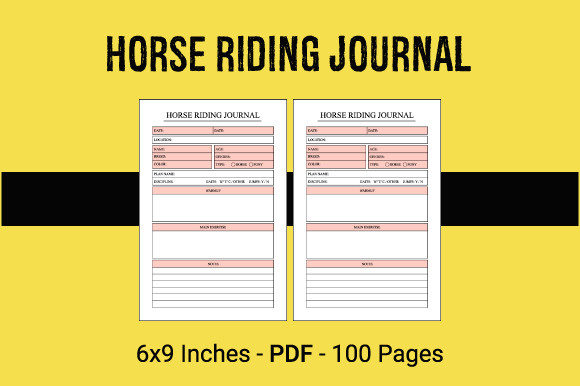
Bleed vs. No Bleed Configuration: The specification of "No Bleed" for a 6″ x 9″ interior indicates that all content must remain within safe margins, typically 0.375 inches from the edge. This is appropriate for weather logs where data tables and text should not be trimmed off. However, publishers must verify that the provided PDF strictly adheres to these margins. If any element extends to the edge of the page without proper bleed setup, KDP will reject the file or trim critical information. A no-bleed interior is safer for beginners but limits design flexibility for full-page background elements.
Page Count Efficiency: A 100-page count is a strategic baseline for KDP. It meets the minimum threshold for spine text eligibility on paperback covers, which adds perceived value and professionalism. However, evaluate whether 100 pages is optimal for a weather log. Daily tracking consumes pages quickly; 100 pages may represent only three months of data. Some users prefer annual logs, which would require thicker books, while others prefer seasonal or quarterly logs where 100 pages is ideal. Matching the page count to the intended tracking frequency is a key decision point.
Benefits and Tradeoffs of Pre-Made Interiors
Utilizing a ready-to-use Weather Log Book PDF offers immediate advantages in speed-to-market and cost reduction. Developing a professional, aligned, and margin-compliant interior from scratch requires graphic design skills and familiarity with KDP’s evolving submission guidelines. Pre-made assets eliminate the learning curve associated with typesetting data tables and ensuring consistent gutter margins.
However, significant tradeoffs exist. The primary risk is market saturation and lack of differentiation. Many POD sellers access the same libraries of stock interiors, leading to duplicate content issues. Amazon’s algorithms may suppress books that share identical interiors with dozens of other listings. To mitigate this, publishers using pre-made files must add unique value through custom cover design, enhanced descriptions, or by bundling the log book with complementary resources.
Another consideration is customization limitations. A static PDF cannot be easily modified to correct errors or adapt to feedback without returning to the source file. If the pre-made interior contains a spelling error in a meteorological term or uses an outdated measurement unit, the publisher is locked into that flaw unless they possess the editing software and expertise to alter the PDF directly.
Situational Fit and Alternative Considerations
A ready-to-use Weather Log Book interior is a strong fit for publishers testing the niche, those with limited design budgets, or creators focusing primarily on cover art and marketing rather than interior innovation. It is also suitable for bundle strategies where the weather log is one component of a larger homesteading or science education series.
Conversely, alternatives should be considered if the goal is to build a premium brand or target professional users. Custom-designed interiors allow for proprietary layouts, branded elements, and specialized tracking fields that competitors cannot replicate. For publishers targeting international markets, pre-made US-centric interiors (using Fahrenheit and inches) may be unsuitable, necessitating custom versions with Celsius and metric measurements. Additionally, if the publisher intends to sell digital downloads alongside physical copies, a standard KDP PDF may not be optimized for tablet use, requiring a separate interactive or reflowable format.
Making the Final Selection Decision
Ultimately, the decision to use a specific Weather Log Book PDF should be based on a gap analysis. Review the top-selling weather journals in the category and identify what their interiors lack. Does the available 100-page asset address those gaps? If the pre-made file offers the same generic layout as existing bestsellers, it is unlikely to gain traction. If it offers improved usability, better spacing, or additional relevant fields, it may serve as a viable foundation.
Publishers should also verify licensing terms rigorously. "Ready to use" does not always imply exclusive commercial rights. Ensure the license permits unlimited KDP publications and does not require attribution. Confirming these legal parameters protects the business from future takedowns or copyright disputes. By approaching the selection process with critical evaluation rather than passive acceptance, publishers can leverage pre-made assets effectively while maintaining product quality and market relevance.