Sleep Diary KDP Interior: Evaluating a Multi-Format Template for Low-Content Publishing
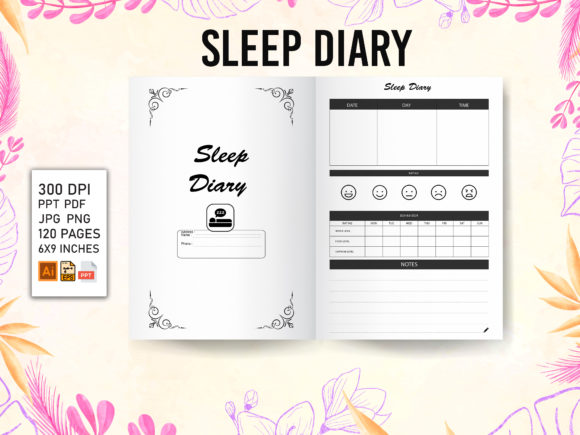
The low-content and medium-content publishing market on Amazon has matured significantly, shifting away from generic lined notebooks toward specialized, utility-driven tools. Among these functional niches, the sleep diary represents a consistent area of demand driven by health consciousness and cognitive behavioral therapy for insomnia (CBT-I) protocols. For publishers and creators, acquiring a pre-designed Sleep Diary - KDP Interior is less about avoiding work and more about securing a technically sound foundation that meets specific platform requirements. When evaluating digital assets for this purpose, the availability of multiple source files—specifically AI, PPT, EPS, PDF, PNG, and JPG formats—transforms a simple template into a versatile production asset.
Technical Versatility Across File Formats
The primary value proposition of this interior package lies in its format diversity. In professional publishing workflows, relying solely on a flattened PDF limits long-term viability. This resource addresses that limitation by providing editable source files alongside print-ready outputs. Understanding the practical application of each included format is essential for maximizing return on investment.
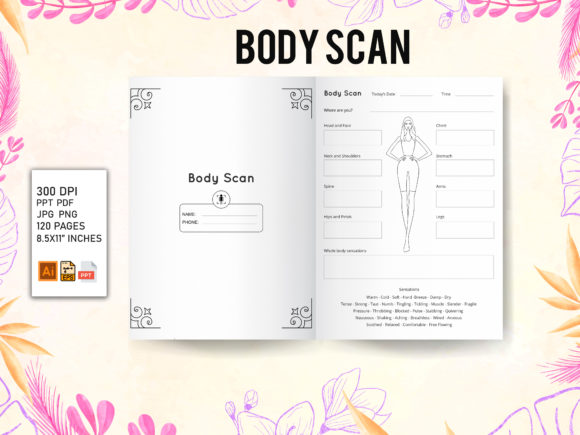
- Adobe Illustrator (AI) and EPS Files: These vector-based formats are critical for scalability and modification. They allow designers to adjust line weights, change fonts, or resize elements without pixelation. If you need to alter the header layout or update branding across 100 pages, vector editing ensures consistency and crisp printing quality at any trim size.
- PowerPoint (PPT) Files: Often overlooked in design circles, PPT interiors offer accessibility for creators who do not own Adobe Creative Cloud. This format allows for text editing, image replacement, and basic layout adjustments using widely available software, lowering the barrier to entry for customization.
- Print-Ready PDF: The inclusion of a 100-page PDF specifically formatted for Amazon KDP uploading serves as the immediate production file. This eliminates guesswork regarding margins, bleed settings, and gutter safety zones, which are common failure points during the KDP review process.
- PNG and JPG Assets: While typically associated with web use, high-resolution raster files are valuable for creating marketing mockups, A+ Content images, or social media promotional materials to support the book listing.
This multi-format approach supports both rapid deployment and long-term brand building. Publishers can upload the ready-made PDF immediately to test market demand while retaining the ability to create differentiated versions later using the source files.
Market Relevance and Niche Viability
Sleep tracking remains a resilient niche because it addresses a persistent physiological need rather than a fleeting trend. Unlike gratitude journals or planners that may saturate quickly, sleep diaries often serve a semi-medical or therapeutic function. Users frequently require these logs to share data with healthcare providers or to identify patterns related to sleep hygiene.
A well-structured Sleep Diary - KDP Interior must balance data collection with usability. If the interior is too dense, users abandon it; if it is too sparse, it fails to provide actionable insights. This template’s pre-tested status suggests it has navigated the balance between comprehensive tracking and user friction. For entrepreneurs and freelancers managing multiple SKUs, leveraging a validated structure reduces the risk of investing time in a product that lacks functional utility. The "ready to list" designation implies that the interior adheres to current KDP specifications, mitigating the technical rejections that frequently delay publication schedules.
Evaluating Usability and Customization Potential
Acquiring a template is only the first step; successful publishing requires adaptation. The true test of this interior asset is how easily it integrates into existing workflows. Professionals should assess the layer organization in the AI and PPT files. Well-organized layers separate background grids, text fields, and decorative elements, allowing for non-destructive editing. If the template locks all elements into a single background layer, customization becomes labor-intensive and prone to errors.
Furthermore, the 100-page count is a strategic choice. It provides approximately three months of daily tracking, which aligns with standard habit-formation timelines and medical observation periods. Shorter books may feel insubstantial, while longer ones increase printing costs and reduce royalty margins. This page count strikes a practical balance for the end-user and the publisher's bottom line.
However, users must recognize that "ready to upload" does not mean "ready to sell." To compete effectively, publishers should utilize the editable files to add unique value. This might include adding an introductory section on sleep hygiene tips, incorporating a personalized logo, or adjusting the tracking fields to target a specific sub-niche, such as shift workers or new parents. The provided formats facilitate this differentiation, but the creative strategy must come from the publisher.
Quality Assurance and Platform Compliance
Amazon KDP’s automated review systems are stringent regarding margin violations and bleed issues. A significant advantage of using a pre-tested interior is the reduction of quality assurance overhead. When designing from scratch, even experienced designers occasionally encounter rejection notices due to minute measurement discrepancies. Utilizing a verified Sleep Diary - KDP Interior streamlines the path to publication.
Nevertheless, professionals should always perform their own verification. Download the PDF and view it at 100% zoom to check text clarity and line sharpness. Ensure that the binding gutter accounts for the page count; a 100-page book requires different margin allowances than a 300-page volume. Confirm that the resolution meets the 300 DPI standard for print clarity. While the asset is marketed as fully tested, maintaining personal quality control standards protects your publishing account’s reputation and ensures a positive customer experience.
Strategic Integration for Publishers and Creators
This resource is best suited for specific types of publishing professionals. It offers high utility for:
- Volume Publishers: Those managing large catalogs who need reliable, compliant baselines to scale production efficiently.
- Niche Specialists: Health coaches, therapists, or wellness bloggers who want to create branded merchandise without hiring a full-time designer.
- New Entrants: Creators learning the KDP ecosystem who benefit from studying a professionally structured interior to understand industry standards.
Conversely, established designers with proprietary templates or those targeting highly specialized clinical audiences may find the generic nature of a pre-made interior limiting. In such cases, the asset serves better as a reference point or a secondary SKU filler rather than a flagship product.
Maximizing Long-Term Value Beyond the Initial Upload
The inclusion of diverse file types extends the lifecycle of this purchase beyond a single book listing. The PNG and JPG files can be repurposed for Etsy digital downloads, Pinterest marketing pins, or lead magnets for email lists. The PPT and AI files allow for seasonal updates or language translations, enabling the same core product to reach new demographics without redesigning from zero.
For serious hobbyists and small business owners, this flexibility is crucial. It transforms a one-time transaction into a reusable component of a broader content strategy. By treating the Sleep Diary - KDP Interior as a modular asset rather than a finished commodity, publishers can extract sustained value that justifies the initial acquisition cost.
Practical Considerations Before Purchase
While the asset offers significant convenience, realistic expectations are necessary. No template guarantees sales; market success depends on cover design, keyword research, pricing strategy, and external marketing. The interior is merely the vessel for the content. Additionally, verify licensing terms before purchasing. Ensure the license permits commercial use on KDP and clarifies whether the file can be used for unlimited titles or requires separate licenses for each variation.
Finally, consider the competitive landscape. Because accessible templates lower barriers to entry, popular niches can become crowded. Success with this sleep diary interior will likely depend on how effectively you leverage the editable formats to create a distinct user experience. Use the AI or PPT files to modify layouts, add unique prompts, or integrate complementary tracking metrics that differentiate your offering from other template-based competitors.
In summary, this multi-format sleep diary interior represents a practical tool for efficient KDP publishing. Its strength lies not in being a magic solution, but in providing a technically compliant, versatile foundation that saves development time. For professionals who understand that execution matters as much as assets, it offers a reliable starting point for building a functional product in the enduring wellness niche. By combining this resource with strategic customization and diligent market research, publishers can effectively integrate it into a sustainable low-content business model.