KDP Basic Strokes Motor Skills Line 2: Avoiding Common Interior Design Mistakes for Preschool Books
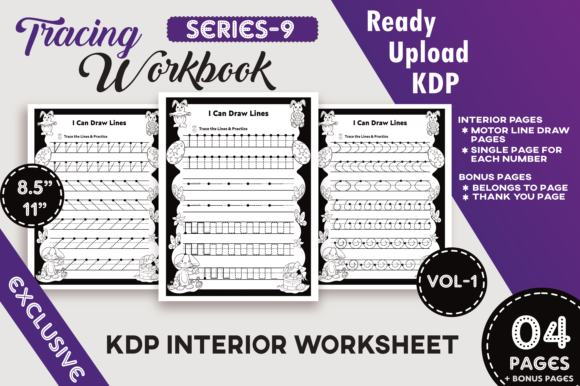
Creating a successful low-content book for Amazon KDP requires more than just uploading a file; it demands an understanding of early childhood development and technical printing standards. When publishers explore KDP Basic Strokes Motor Skills Line 2, they are typically looking for a structured progression in pen control activities designed specifically for ages 2–5. This specific line focuses on bridging the gap between simple vertical lines and more complex curves, serving as a critical developmental milestone for preschoolers. However, many creators overlook the nuances that make these tracing sheets effective rather than frustrating for young learners.
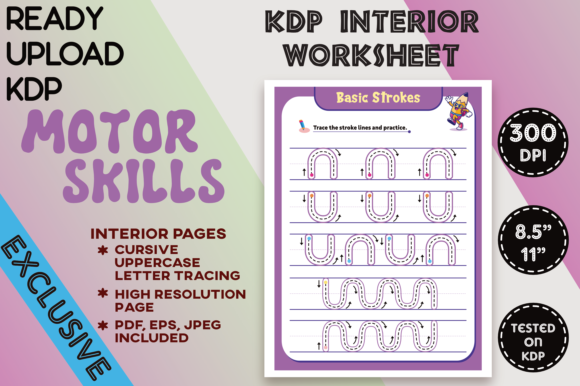
The primary appeal of this interior template lies in its targeted approach to fine motor skill development. Unlike generic tracing books that mix random shapes without pedagogical order, Line 2 interiors usually emphasize horizontal strokes, zig-zags, and introductory curves. These movements correspond directly to pre-writing skills needed for letter formation later on. For KDP publishers, using a professionally designed interior like this saves hundreds of hours of illustration work. Yet, simply having the files is not enough. Understanding how to implement them correctly ensures your book receives positive reviews rather than returns due to usability issues.
Overlooking Age-Appropriate Stroke Complexity
One of the most frequent errors creators make when selecting or modifying KDP Basic Strokes Motor Skills Line 2 content is misjudging the cognitive and physical capabilities of a two-year-old versus a five-year-old. The "2-5" age range is vast in developmental terms. A common mistake is including intricate loops or tight spirals too early in the book sequence. While these look impressive on a digital screen, they often cause frustration for toddlers who have not yet developed the wrist stability required for such precision.
When evaluating your tracing pages, ensure the stroke width and path complexity align with the intended user. Lines should be bold enough to serve as a visual guide but not so thick that they obscure the child's pencil mark. If you are using a pre-made interior, verify that the progression moves logically from left-to-right and top-to-bottom. Randomizing difficult patterns breaks the learning flow. A better approach is to audit the first ten pages specifically. If a three-year-old cannot successfully trace at least 70% of the initial exercises without adult hand-over-hand assistance, the interior may be too advanced for the lower end of your target demographic.
Ignoring Technical Print Specifications and Margins
Even the most beautifully illustrated tracing sheets will fail if they violate KDP’s printing constraints. A pervasive issue with downloaded interiors involves bleed and safe zone miscalculations. Although the KDP Basic Strokes Motor Skills Line 2 package includes files tested for KDP compliance, user error during the upload or cover creation phase can still ruin the final product. Creators sometimes assume that because a PDF is labeled "8.5 x 11 inches," it automatically accounts for gutter margins.
Tracing books require ample inner margin space because young children need room to hold the book open flat while drawing. If your binding eats into the tracing area, the activity becomes physically awkward. Before finalizing your project, always download the proof copy or use the online previewer to check the gutter. Ensure that no critical tracing lines fall within the non-printable safety zone. Additionally, confirm that your resolution is genuinely 300 DPI. Upscaling a 72 DPI JPEG to 300 DPI does not add detail; it only creates pixelation that looks unprofessional in print. Stick to the provided vector EPS or high-resolution PDF sources to maintain crisp line quality essential for tracing.
Neglecting File Format Versatility and Customization
Many publishers purchase KDP interiors and upload them exactly as received. While this is technically permissible, it limits your ability to differentiate in a saturated market. The inclusion of PDF, EPS, and JPEG formats in the KDP Basic Strokes Motor Skills Line 2 download is intentional. Relying solely on the flattened PDF prevents you from adding unique value. Competitors using the same base asset will have identical interiors, which can lead to duplicate content flags or customer complaints about repetitive products.
Leverage the EPS or editable source files to customize the experience. Adding simple thematic elements—like turning a straight line into a road for a toy car or a wavy line into ocean waves—can significantly increase engagement without requiring advanced artistic skills. This customization also helps with SEO and marketing, as you can honestly describe unique features in your book description. Furthermore, having access to individual JPEG assets allows you to create accurate promotional mockups and social media content. Showing potential buyers exactly what the tracing lines look like builds trust and reduces the likelihood of negative reviews claiming the content was misleading.
Failing to Verify Usability Through Physical Testing
Digital evaluation is insufficient for tactile products like tracing books. A significant oversight occurs when publishers approve KDP Basic Strokes Motor Skills Line 2 based solely on screen brightness and contrast. Screens emit light, making lines appear sharper and darker than they will on standard KDP white paper. Ink absorption can cause lines to appear lighter or slightly blurred in physical form, potentially making them difficult for a child with developing vision to follow.
Always print sample pages on a home printer before ordering a proof copy. Test the tracing experience yourself using crayons, markers, and pencils similar to those a preschooler would use. Check if the paper texture affects the visibility of the guidelines. If the lines disappear under heavy coloring or become invisible in natural lighting conditions, you may need to adjust the stroke weight or opacity in the source files. This practical testing phase is the difference between a functional educational tool and a disappointing purchase. It also provides an opportunity to verify that the 8.5 x 11 inch format feels balanced in small hands, ensuring the layout supports rather than hinders motor skill practice.
Strategic Considerations for Long-Term Success
Selecting the right interior is a business decision as much as a creative one. When incorporating KDP Basic Strokes Motor Skills Line 2 into your catalog, consider how it fits within a broader series. Parents and educators prefer cohesive resources. If this interior covers horizontal strokes and basic curves, plan complementary volumes for vertical lines, diagonal strokes, and shape formation. This encourages repeat purchases and builds brand loyalty.
Additionally, pay attention to licensing and exclusivity terms associated with your download. Ensure you understand whether you can use the assets across multiple books or platforms. Following reputable shops for updates is advisable, as KDP specifications evolve. Staying informed about exclusive deals or updated file versions ensures your library remains current and compliant. Ultimately, success in the preschool activity niche comes from respecting both the technical requirements of self-publishing and the developmental needs of the child. By avoiding common pitfalls regarding complexity, formatting, customization, and physical testing, you transform a simple digital download into a valuable educational resource that stands out in the marketplace.