Garden Planner Template KDP Interior Design Guide
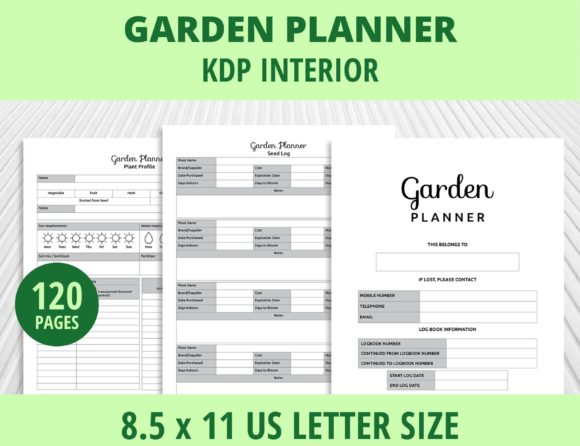
Creating a successful low-content book on Amazon KDP requires more than just uploading a generic PDF; it demands a cohesive visual strategy that speaks directly to the gardener’s intent. The Garden Planner Template KDP Interior serves as a foundational design asset for publishers looking to bridge the gap between functional utility and aesthetic appeal. This template is not merely a collection of blank lines but a structured layout system designed to organize complex horticultural data into an accessible, visually pleasing format. With 120 pages of pre-formatted content in a standard 8.5 x 11-inch trim size, this interior provides immediate structure for tracking planting schedules, harvest logs, and garden layouts.
The true value for designers and entrepreneurs lies in the inclusion of the editable source EPS file alongside high-quality JPG and ready-to-print PDF formats. This flexibility allows you to treat the template as a living document rather than a static product. Whether you are a seasoned publisher expanding your niche portfolio or a creative professional designing a custom planner for a specific gardening brand, the ability to manipulate vector elements ensures your final product maintains crisp edges and professional typography at any scale. The visual personality of this interior balances clean modern typography with organic spacing, creating a user experience that feels both organized and inviting.
Visual Hierarchy and Functional Typography
In editorial design for planners, readability is paramount. A garden planner fails if the user cannot quickly distinguish between a planting date column and a notes section while standing in bright sunlight or working with soil-stained hands. This template utilizes a deliberate visual hierarchy that guides the eye through essential information without cognitive overload. The typeface choices typically lean toward highly legible sans serif fonts for data entry fields, paired with softer, perhaps handwritten or script font accents for headers to evoke the organic nature of gardening.
This strategic font pairing influences how users interact with the book. Strong contrast between header weights and body text establishes clear navigation, allowing users to flip through the 120 pages and instantly locate the monthly spread or the plant profile sheet. For marketers and brand strategists, this consistency builds trust. When the internal layout reflects a professional standard, it elevates the perceived value of the entire publication. The whitespace is calibrated to prevent clutter, ensuring that even when filled with dense handwriting, the page remains navigable. This attention to micro-typography and spacing is what separates premium KDP interiors from amateur submissions.
Adapting Trim Sizes and Layout Flexibility
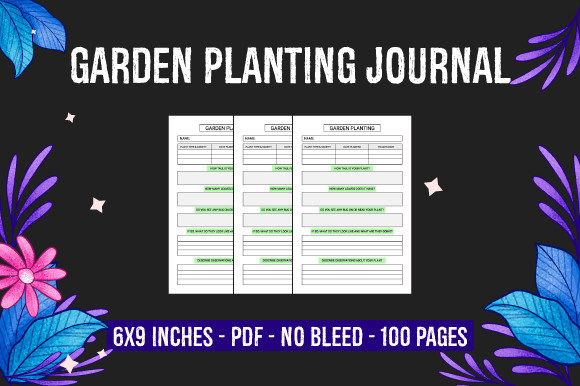
While the native 8.5 x 11-inch format offers ample room for detailed garden mapping, many successful KDP niches favor smaller, portable trim sizes like 6x9 or 7x10. The inclusion of an editable EPS source file is critical here. Unlike rasterized images that degrade when resized, vector-based templates allow you to adjust margins, resize text boxes, and reflow grid systems without losing quality. This adaptability means one purchase can yield multiple product variations across different seasons or target demographics.
For designers combining this interior with other assets, the modular nature of the template facilitates seamless integration. You might pair these garden tracking pages with a separate journaling interior or a recipe section for preserving harvests. Because the source files are editable, you can unify disparate design assets by adjusting stroke weights, color palettes, and font families to match your overarching brand identity. This interoperability is essential for creators building a suite of complementary products rather than standalone books.
Strategic Applications Across Niches
The versatility of this Garden Planner Template KDP Interior extends beyond general vegetable gardening. Creative professionals can repurpose the core structure for specialized markets. Consider the urban homesteader niche: by editing the header typography and swapping out generic icons for balcony-specific graphics, the same 120-page framework becomes a container gardening log. Similarly, the layout works exceptionally well for herbalists, flower farmers, or permaculture designers who need structured space for observation notes alongside quantitative data.
From a marketing perspective, this template supports strong cover-to-interior consistency. When your cover features a specific display font or botanical illustration style, having access to the interior source files allows you to echo those design cues inside the book. This holistic approach to book design strengthens brand recognition. Readers who enjoy the aesthetic coherence are more likely to leave positive reviews mentioning the "beautiful layout," which serves as powerful social proof for future sales. Furthermore, the high-resolution JPG files are invaluable for creating promotional mockups, social media graphics, and Amazon A+ Content that accurately represents the interior quality.
- Editorial Consistency: Maintain uniform margins and gutter safety zones across all 120 pages to ensure no content is lost during binding.
- Commercial Licensing: Always verify the specific license terms for the included fonts and graphics before publishing to avoid copyright issues.
- User Testing: Print a test copy at your desired trim size to evaluate line height and writing space ergonomics before final upload.
- Customization Depth: Use the EPS file to add personalized branding elements, such as a logo watermark or custom URL footer, to drive traffic back to your ecosystem.
Evaluating Fit and Readability Standards
Before committing to this template for a specific project, conduct a thorough fit evaluation. Does the existing grid structure support the level of detail your target audience requires? A master gardener might need precise pH tracking columns that a casual hobbyist would find overwhelming. The editable nature of the file solves this, but it requires an honest assessment of your audience's needs. Test font pairings rigorously; if you replace the default sans serif with a decorative display font for table headers, ensure it remains legible at small point sizes.
Readability also encompasses ink coverage. Heavy black backgrounds or dense patterns can cause bleed-through on standard KDP paper stock. This template generally adheres to safe ink limits, but significant customization requires vigilance. Keep line weights above 0.5pt to prevent breaking during printing, and maintain sufficient padding around writable areas. Professionalism in low-content publishing is defined by these invisible technical constraints. When the user experience is frictionless, the design succeeds.
Building a Cohesive Product Line
Savvy publishers use this Garden Planner Template KDP Interior as a cornerstone for broader series development. The visual language established here—clean grids, botanical motifs, functional typography—can be extrapolated into companion journals, seed inventory trackers, or seasonal planning guides. By maintaining consistent design assets across titles, you create a recognizable shelf presence. This is where the distinction between a single product and a brand emerges.
The combination of ready-to-use PDFs and customizable source files offers the best of both worlds: speed to market and long-term adaptability. For content creators and bloggers, this means you can launch a timely product for the spring planting season while simultaneously developing a premium, branded version for your direct-to-consumer store. The template acts as a professional scaffold, reducing production time without sacrificing the unique character that drives audience engagement. Ultimately, success in KDP relies on delivering genuine utility wrapped in thoughtful design, and this interior provides the structural integrity necessary to achieve that balance.