Expense Tracker: Ready-to-Use PDF Interiors for KDP and POD Businesses
Launching a low-content book on Amazon KDP or a Print on Demand platform often feels like a race against time. You have the niche research done and the cover design concept ready, but the interior layout is stalling your progress. This is where a pre-formatted Expense Tracker interior becomes a practical asset rather than just another digital file. It serves as the structural backbone for financial journals, budget planners, and small business ledgers that are currently in high demand among consumers who prefer tactile tracking over digital apps.
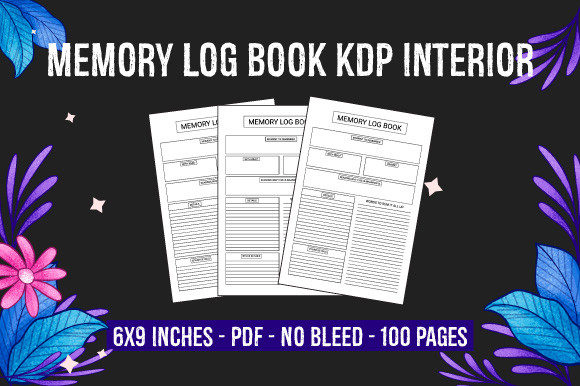
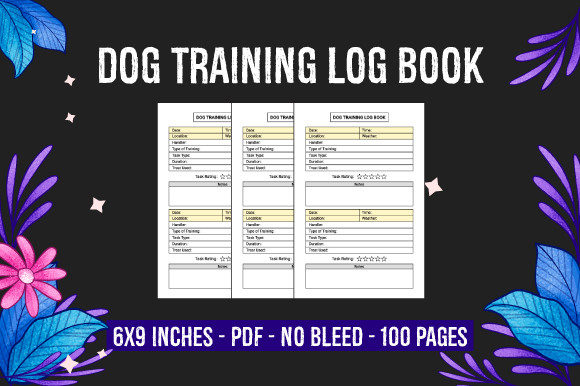
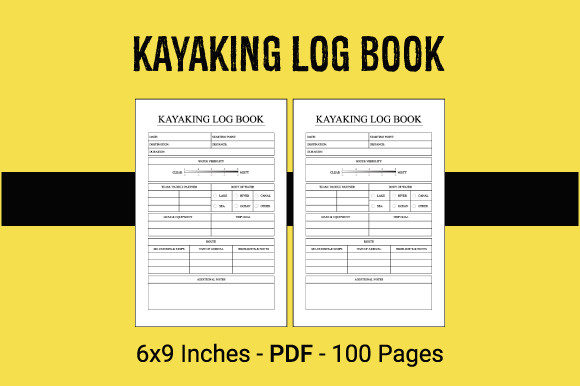
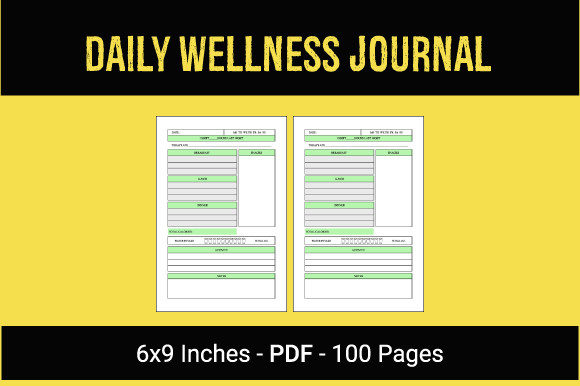
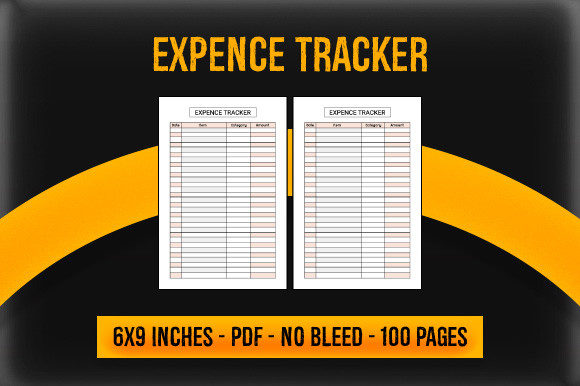
An Expense Tracker interior designed for KDP is not merely a collection of blank tables. It is a strategic layout optimized for the 6″ x 9″ trim size, ensuring that when a customer writes down their daily spending, the margins align perfectly with printing requirements. For publishers and creators, this specific dimension offers the ideal balance between portability and writing space, making it suitable for everything from personal finance diaries to contractor invoice logs. The value lies in the immediate usability; these files eliminate the technical guesswork of gutter margins and bleed settings, allowing you to move straight from download to publication.
Real-World Applications Beyond Basic Budgeting
While the primary function is tracking money, the versatility of a 100-page expense tracker interior extends far beyond simple household budgeting. Understanding these varied use cases helps in positioning your book to the right audience or selecting the right template for your own needs.
Freelancers and Gig Economy Workers
For freelancers, tax season is often a nightmare of reconstructed receipts and forgotten deductions. A dedicated expense tracker journal serves as a physical audit trail. Unlike generic notebooks, a structured interior prompts users to categorize expenses immediately—distinguishing between office supplies, travel, and client meals. This real-time categorization saves hours of accounting work later. When marketing a KDP book with this interior to this demographic, the focus shifts from "saving money" to "tax compliance and peace of mind."
Small Business Inventory and Supply Tracking
Artisans, crafters, and pop-up shop owners frequently need to track cost-of-goods-sold (COGS) separately from operational expenses. A standard ledger might not offer enough granularity, but a well-designed expense tracker can be repurposed as a supply log. Users can record material costs per project to accurately price their handmade goods. In this context, the tracker becomes a pricing tool, helping creative entrepreneurs ensure they aren't operating at a loss due to underestimating material waste or shipping fees.
Educational Financial Literacy Tools
Educators and parents teaching teenagers or young adults about money management often find that apps abstract the pain of spending too much. A physical expense tracker forces a moment of reflection. Writing down "$45 on takeout" creates a stronger cognitive connection than tapping a screen. For homeschoolers or life-skills instructors, these interiors provide a structured curriculum aid where students can practice balancing a checkbook or managing a monthly allowance in a controlled, tangible environment.
Travel and Event Planning
Group trips, weddings, and home renovations are notorious for budget overruns caused by poor tracking. An expense tracker tailored for these events allows multiple stakeholders to maintain a shared record. Because the 6″ x 9″ size fits easily into a purse or backpack, it travels with the user. Planners can track deposits, vendor payments, and incidental costs in real-time, preventing the post-event shock of realizing the budget was exceeded weeks ago.
Technical Specifications That Impact User Experience
When evaluating or utilizing ready-to-use PDF files for KDP, the technical details directly correlate to customer satisfaction and review ratings. A beautiful cover cannot save a book with unusable interiors.
- Dimensions (6″ x 9″): This is the industry standard for trade paperbacks in the productivity niche. It provides approximately 30 square inches of writable space per page, which is sufficient for detailed line items without being cumbersome. Larger sizes like 8.5″ x 11″ are better for desk reference, while 6″ x 9″ wins for daily carry and habit formation.
- No Bleed Configuration: Most expense trackers utilize a no-bleed format to keep all content safely within the printable area. This ensures that critical columns for dates, descriptions, and totals never get trimmed off during the binding process. It also simplifies the upload process for new publishers, reducing rejection errors from KDP’s automated review system.
- High-Resolution PDF Files: Crisp lines are non-negotiable for functional books. If the table borders are pixelated or gray instead of true black, users perceive the product as low quality. High-resolution vectors ensure that even when printed via KDP’s standard color or black-and-white options, the writing guides remain sharp and professional.
- 100 Pages Volume: This page count strikes a sweet spot for spine width and perceived value. A book thinner than 80 pages often lacks a readable spine text, making it hard to identify on a shelf. Conversely, exceeding 150 pages for a daily tracker can feel intimidating. One hundred pages typically covers three to six months of tracking depending on usage frequency, aligning with quarterly financial reviews or half-year goals.
Strategic Considerations Before Publishing or Purchasing
Having access to a ready-made interior does not guarantee sales or utility. Success depends on how well the resource matches the specific intent. Before adding this asset to your workflow, consider the alignment between the layout and the end-user's behavior.
Evaluate Column Flexibility: Not all expense trackers are created equal. Some have rigid headers like "Groceries" and "Gas," while others offer blank categories. If you are targeting a niche like "Pet Sitting Business Expenses," a generic personal finance layout will fail. Ensure the PDF interior has either customizable headers or broad enough fields to accommodate specific industry terminology without looking messy.
Assess Paper Quality Expectations: Remember that KDP uses standard 55# (90 GSM) white paper. This is relatively thin. If the expense tracker design includes heavy ink coverage or double-sided printing patterns, bleed-through may occur. The best interiors for POD are designed with single-sided layouts or ample whitespace on the reverse side to prevent marker or gel pen ink from ruining the next entry. Always order a proof copy to test writing instruments before launching.
Differentiation Through Metadata and Cover: Since the interior is a standardized component, your competitive advantage lies entirely in packaging. If you use this 100-page expense tracker, your cover design and keyword strategy must signal exactly who this is for. A generic "Budget Planner" competes with thousands of identical titles. A "Contractor Job Costing Ledger" or "Wedding Vendor Payment Tracker" using the exact same interior faces significantly less competition and attracts buyers with higher purchase intent.
Licensing and Commercial Rights: For POD creators, verifying the license is critical. Ensure the ready-to-use PDF grants full commercial rights for unlimited prints. Some licenses restrict usage to personal projects or limit the number of copies sold. Protecting your publishing account requires clear documentation that you have the right to monetize this specific interior layout across Amazon, Etsy, or other print platforms.
Integrating Digital Assets into Physical Products
The transition from a digital PDF to a physical product should be seamless. The 6″ x 9″ expense tracker interior acts as a foundation, but successful publishers often add value by including introductory pages. Consider adding a "How to Use This Book" section, a yearly overview calendar, or a savings goal visualization page before the main 100 pages of tracking tables begin. These additions transform a commodity PDF into a curated user experience.
Ultimately, an expense tracker interior is a tool for organization, whether used personally or commercially. Its effectiveness relies on consistent formatting, appropriate sizing, and relevance to the user's specific financial context. By focusing on these practical elements rather than just the convenience of a pre-made file, creators and users alike can derive genuine value from this essential resource in the low-content publishing ecosystem.