Kayaking Log Book: Streamlining KDP Production with Ready-to-Use PDF Interiors
For self-publishers and Print on Demand (POD) entrepreneurs, the bottleneck is rarely the idea; it is the execution. Creating a niche-specific journal like a Kayaking Log Book requires balancing functional utility with technical publishing standards. While the concept of a paddling journal is straightforward, the production workflow often stalls during the interior design phase. Utilizing ready-to-use PDF files specifically formatted for Amazon Kindle Direct Publishing (KDP) transforms this process from a graphic design project into a streamlined asset integration task. This approach allows creators to focus on market positioning and cover design rather than margin calculations or line weight adjustments.
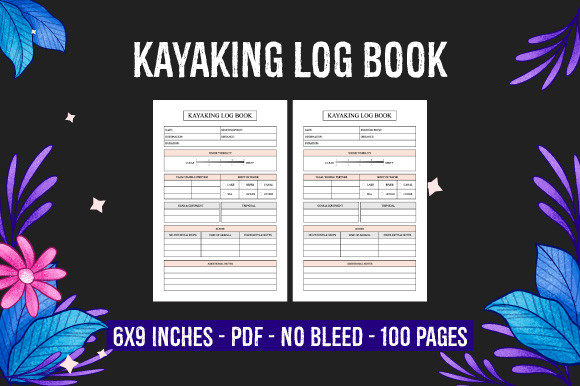
A high-quality Kayaking Log Book serves a distinct purpose within the outdoor recreation niche. It is not merely a diary; it is a data collection tool for enthusiasts who track water conditions, gear performance, route mapping, and personal milestones. When you leverage pre-formatted 100-page interiors, you are acquiring a validated structural foundation. These files eliminate the guesswork associated with bleed settings and safe zones, ensuring that the final physical product meets professional standards without requiring extensive prepress troubleshooting.
Integrating Pre-Made Interiors into Your Publishing Workflow
The primary advantage of using a dedicated Kayaking Log Book interior file is workflow efficiency. In a traditional publishing cycle, designing a 100-page low-content book involves creating master pages, setting up paragraph styles, managing gutters, and exporting print-ready PDFs. This can take dozens of hours per title. By starting with a finished, high-resolution PDF, you compress the production timeline significantly. This shift allows you to treat the interior as a constant variable, freeing up mental bandwidth to optimize the variable that actually drives sales: the cover and metadata.
This resource fits seamlessly into a batch-production strategy. For publishers managing multiple niche journals, consistency is key to building a recognizable brand. Using standardized dimensions and page counts across related titles—such as kayaking, canoeing, and paddleboarding logs—creates a cohesive series. The 6″ x 9″ trim size included in these files is the industry standard for portable field journals. It strikes the optimal balance between writing space and packability, a critical factor for end-users who need to stow the book in a dry bag or PFD pocket. Adhering to this dimension ensures compatibility with standard POD distribution channels and meets customer expectations for this specific category.
Technical Specifications and Quality Control
Understanding the technical parameters of your digital assets prevents costly proofing errors. The provided Kayaking Log Book files are configured with specific constraints that align with KDP’s printing requirements:
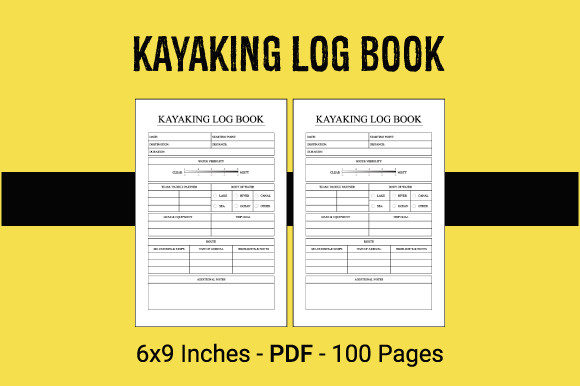
- Dimensions: 6″ x 9″ inches. This trim size is hardcoded into the file. Do not attempt to resize the PDF, as this will distort margins and render the bleed settings invalid.
- Page Count: 100 pages. This count is optimized for spine width calculation. If you plan to add introductory pages or disclaimers, you must do so in multiples that maintain the total page count or adjust your spine width formula accordingly.
- Bleed Configuration: No Bleed. This is a crucial distinction. "No Bleed" means all content, including lines and graphics, stays within the safe zone. There is no artwork extending to the edge of the paper. This simplifies the upload process and reduces the risk of rejection due to trim errors.
- Resolution: High-Resolution PDF. Crisp lines are non-negotiable for log books. Users need to write clearly on printed lines; pixelation suggests low quality and leads to negative reviews.
Before uploading, always validate the file using the KDP Previewer or third-party PDF analysis tools. Even with ready-to-use files, verifying that the metadata matches the physical specifications is a necessary quality control step. Ensure your title and author name fields in KDP match exactly what is embedded in the PDF properties to avoid processing delays.
Functional Design and User Experience Considerations
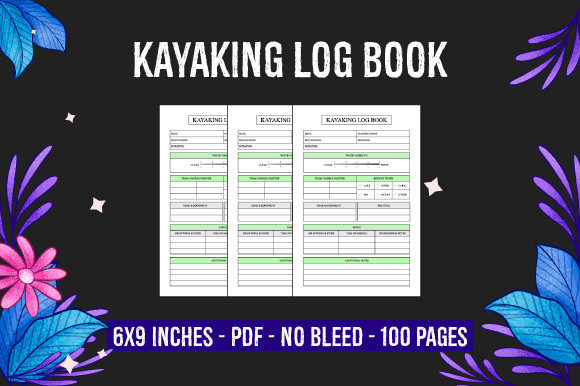
A Kayaking Log Book succeeds or fails based on its usability in wet, dynamic environments. When selecting or evaluating ready-to-use interiors, consider how the layout supports the actual activity. The best interiors for this niche go beyond generic lined paper. They should include structured prompts that reduce friction for the user after a long day on the water. Effective layouts often incorporate sections for wind speed, water temperature, tide charts, launch/landing points, and wildlife sightings.
From a product development perspective, the interior dictates the value proposition. A blank notebook competes with thousands of other blank notebooks. A specialized log book with pre-printed tables for tracking kayak mileage or gear maintenance competes in a much smaller, higher-intent micro-niche. When you use a pre-made 100-page template, verify that the fields provided match current kayaking terminology. Outdated or irrelevant prompts signal to experienced paddlers that the book was created without understanding their needs. If the provided template requires modification, use vector editing software to adjust text labels while maintaining the original safe zone margins.
Cover Design Synergy and Market Positioning
Since the interior is fixed, your creative energy must be directed toward the cover. The cover acts as the packaging for the Kayaking Log Book and must communicate the interior's utility instantly. Because the interior is 6″ x 9″ with no bleed, your cover design must account for the precise spine width calculated for 100 pages on white paper stock. Miscalculating this spine width is the most common error when pairing custom covers with pre-set interiors.
Your cover design should visually echo the structure found inside. If the interior features topographic map patterns or nautical elements, incorporating subtle versions of these motifs on the cover creates a unified unboxing experience. For the KDP algorithm, your cover also serves as the primary click-through driver. Analyze top-selling kayaking journals to identify visual gaps. Many competitors use generic stock photos of kayaks. Differentiating your product might involve typography-led designs, matte finishes that suggest durability, or color schemes that reflect specific kayaking disciplines like whitewater versus sea kayaking.
Scaling and Long-Term Asset Management
Treating the Kayaking Log Book PDF as a reusable asset enables scaling. Once you have validated that a specific interior layout converts well, you can repurpose the core structure for adjacent niches with minimal effort. The same 6″ x 9″, 100-page, no-bleed framework used for kayaking can often be adapted for fishing logs, camping journals, or bird watching records by simply changing the header text and prompt labels. This modular approach to low-content publishing maximizes the return on investment for each digital file acquired.
Organization is equally important. Maintain a strict naming convention for your digital assets. Files should be labeled with trim size, page count, bleed status, and niche (e.g., Kayaking_Log_6x9_100pg_NoBleed_v2.pdf). This prevents accidental uploads of incorrect files when managing a large catalog. Additionally, keep a master spreadsheet tracking which interiors are paired with which ASINs. If KDP updates their printing specifications or if you decide to refresh the interior design in the future, having a clear audit trail ensures you can update listings without disrupting existing customer reviews or sales rank.
Practical Implementation Tips for Publishers
To maximize the effectiveness of ready-to-use Kayaking Log Book files, integrate these practices into your publishing routine:
- Order a Physical Proof: Never rely solely on the digital preview for functional books. Paper thickness, line darkness, and binding tightness affect usability. A 6″ x 9″ journal must lay flat enough for writing; testing the physical artifact confirms the 100-page count works with the chosen paper stock.
- Optimize Description Copy: Since customers cannot flip through a POD book, your product description must detail the interior. Explicitly list the tracking fields included in the Kayaking Log Book. Mention the "No Bleed" layout as a feature that ensures ample writing space near the binding.
- Bundle Strategically: Consider offering the digital PDF as a bonus for email list subscribers or as part of a larger kayaking resource bundle. This diversifies revenue streams beyond Amazon royalties and builds an audience for future releases.
- Monitor Feedback Loops: Customer reviews regarding the interior layout are direct market research. If users consistently mention that a specific tracking field is missing or that the lines are too faint, use this data to source or create an updated version of the Kayaking Log Book interior for future editions.
Ultimately, the goal of using ready-to-use PDF interiors is to remove technical friction so you can operate as a publisher rather than a formatter. The Kayaking Log Book represents a specific intersection of outdoor passion and practical documentation. By leveraging professionally formatted 6″ x 9″, 100-page no-bleed files, you ensure that the foundational product is sound. This stability allows you to iterate faster, test more niches, and build a sustainable portfolio of low-content books that serve real user needs. Success in this space comes not from reinventing the wheel for every title, but from efficiently assembling reliable components into products that deliver consistent value to the end user.