Evaluating the Grade 1 Sight Words Workbook - 100 Pages for KDP Publishing
Selecting the right interior template is a critical step for self-publishers and educators creating literacy resources. The Grade 1 Sight Words Workbook - 100 Pages serves as a foundational asset for those looking to publish educational materials on platforms like Amazon KDP or for personal classroom use. This resource provides a pre-formatted structure designed specifically for first-grade reading development, offering a balance of ready-to-use content and customization potential. Understanding the specific attributes, file formats, and practical applications of this workbook allows creators to make informed decisions about whether it aligns with their publishing goals or instructional needs.
Understanding the Resource Specifications
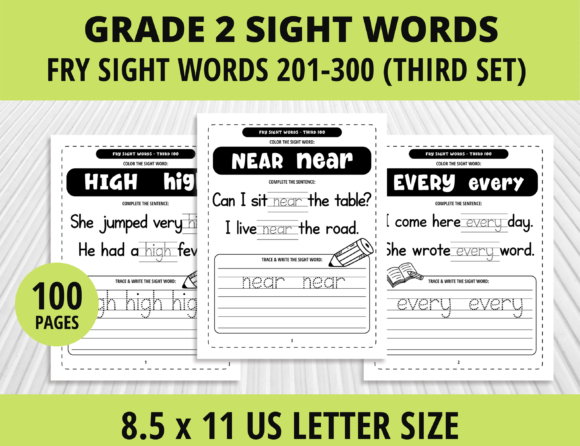
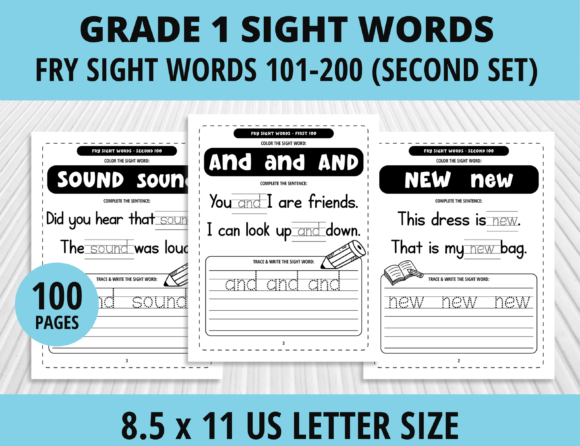
The Grade 1 Sight Words Workbook - 100 Pages is not merely a static PDF; it is a multi-format digital asset package. At its core, it contains 100 pages of content tailored to first-grade high-frequency vocabulary. However, its utility extends beyond the page count due to the inclusion of three distinct file types. Users receive a high-quality JPG file, which serves as a visual reference or cover option; a print-ready PDF file formatted at 8.5 x 11 inches; and, most significantly, a resizeable source file in PowerPoint format.
The inclusion of the PowerPoint source file distinguishes this product from standard printable worksheets. It transforms the workbook from a fixed document into a malleable template. This specification is vital for publishers who need to adjust margins for bleed, alter trim sizes, or modify content to avoid duplicate content issues on KDP. The 8.5 x 11 inch baseline is the industry standard for workbooks, but the ability to resize ensures the asset remains viable for non-standard trim sizes such as 8x10 or A4, providing flexibility that static PDFs cannot offer.
Primary Use Cases and Strategic Fit
This workbook template is best suited for specific user profiles with distinct objectives. For KDP publishers, it functions as a time-saving interior. Creating 100 pages of unique sight word activities from scratch requires significant design time and pedagogical knowledge. This resource bridges that gap, allowing publishers to focus on cover design, keyword research, and marketing rather than content generation. It is particularly valuable for those building a series, as the consistent formatting helps establish brand recognition across multiple grade levels.
Educators and homeschoolers also find value in this resource, though their usage differs. For these users, the workbook serves as a comprehensive curriculum supplement. The 100-page volume provides enough material for daily practice over several months. Because the source file is editable, teachers can customize the sight words to match specific district lists or individual student IEP goals, ensuring the material is relevant to their specific learning environment rather than relying on generic lists that may not align with current instruction.
Integration with Other KDP Interiors
A key strategic advantage of this workbook is its modularity. Publishers often combine the Grade 1 Sight Words Workbook - 100 Pages with other interiors to create higher-value bundles. For example, pairing this sight word practice with handwriting tracing pages, reading comprehension passages, or coloring books can create a "Complete First Grade Literacy Bundle." This approach increases the perceived value of the book and differentiates it from competitors selling standalone sight word books. The PowerPoint source files facilitate this merging process, allowing creators to unify fonts, headers, and styling across disparate assets to create a cohesive final product.
Benefits and Practical Advantages
The primary benefit of this resource is efficiency. Designing a 100-page workbook involves layout consistency, font licensing verification, and age-appropriate scaffolding. By utilizing a pre-made template, creators bypass these technical hurdles. The resizeable nature of the source file also mitigates one of the most common KDP publishing errors: margin and bleed miscalculations. Being able to adjust the slide size in PowerPoint before exporting to PDF reduces the risk of rejection during the upload process.
Furthermore, the educational structure typically embedded in these workbooks supports effective learning. Grade 1 sight words often include irregular spellings that cannot be sounded out phonetically. A dedicated workbook provides the repetitive exposure necessary for orthographic mapping. For publishers, this means the product solves a genuine problem for parents and teachers, which is essential for long-term sales and positive reviews. The content is generally evergreen, meaning the workbook does not require annual updates, providing passive income potential for years after the initial creation.
Tradeoffs and Critical Considerations
Despite the advantages, there are notable tradeoffs to consider. The most significant concern for KDP publishers is content saturation. Because this is a commercially available template, other sellers may be using the exact same Grade 1 Sight Words Workbook - 100 Pages. Amazon’s algorithms may flag identical interiors as duplicate content, potentially suppressing visibility or blocking publication. To mitigate this, users must treat this workbook as a starting point rather than a final product. Modifying layouts, adding unique introductory sections, changing fonts, or combining it with original content is necessary to create a distinct offering.
Another consideration is the learning curve associated with the source file. While PowerPoint is widely accessible, manipulating master slides, adjusting guides for safe zones, and exporting high-resolution print-ready PDFs requires intermediate technical skills. Users unfamiliar with KDP formatting specifications may inadvertently introduce errors when resizing. Additionally, while the content covers standard high-frequency words, it may not align perfectly with every regional curriculum. Educators should verify the word list against their specific requirements before committing to the workbook for classroom use.
Evaluating Alternatives
Potential users should weigh this resource against available alternatives based on their specific constraints. For publishers with strong design skills and ample time, creating a custom interior from scratch using Canva, InDesign, or Affinity Publisher offers complete originality and zero risk of duplicate content flags. This path is preferable for those aiming to build a premium brand where uniqueness is the primary selling point.
Conversely, for users who need a physical book immediately without any editing, purchasing a traditionally published sight word workbook from a major educational publisher may be more appropriate. Traditional books undergo rigorous editorial review and pedagogical testing that commercial KDP templates may lack. If the goal is guaranteed educational quality over customization or profit margin, established publishers remain the superior choice.
For those seeking a middle ground, subscription-based design platforms offer vast libraries of worksheet elements. These allow for assembly rather than full creation, offering more variety than a single template but requiring more effort than a pre-made 100-page workbook. The decision ultimately hinges on the balance between speed, budget, and the need for exclusivity.
Making the Final Decision
Determining whether the Grade 1 Sight Words Workbook - 100 Pages is the right investment requires an honest assessment of your capabilities and goals. If you are a KDP publisher looking to scale your catalog quickly and possess the skills to modify PowerPoint files to ensure uniqueness, this resource offers a high return on time invested. It is equally suitable for educators who need a customizable, high-volume practice tool and want to avoid the recurring cost of consumable workbooks.
However, if you lack the technical ability to edit source files or intend to upload the PDF without modification, the risks regarding duplicate content and poor user experience likely outweigh the convenience. Similarly, if your target audience demands specialized pedagogical approaches not covered by standard sight word lists, a generic template will be insufficient. By evaluating these factors against the specific features of the resizeable source file, PDF output, and content volume, buyers can confidently determine if this asset supports their publishing or educational strategy.