Pottery Project Book KDP Interior: A Practical Resource for Niche Publishing
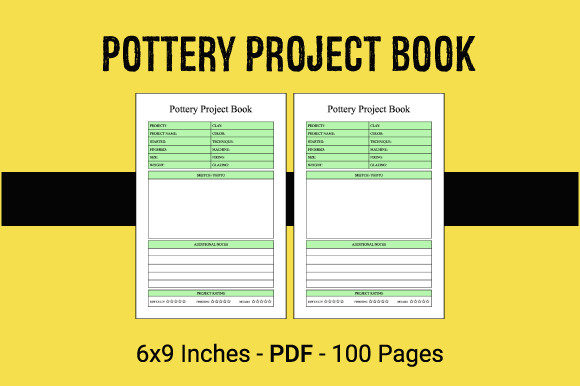
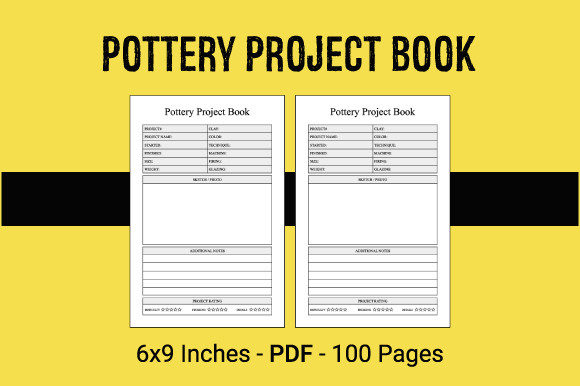
Creating a successful low-content book on Amazon KDP often comes down to finding a specific audience with a genuine need. For the ceramics community, that need is organization and documentation. The Pottery Project Book KDP Interior provides a pre-formatted, 100-page structure designed specifically for potters, ceramic students, and studio owners who want to track their creative process. Rather than spending hours designing grids and log sheets from scratch, this ready-to-use PDF file allows publishers to focus on cover design and marketing while offering a functional tool to end-users.
This digital asset is more than just blank lines; it is a targeted solution for a hobbyist and professional niche that values technical precision. With dimensions set at 6″ x 9″ inches and available in both bleed and no-bleed high-resolution formats, it fits seamlessly into standard KDP publishing workflows. Understanding how and why this specific interior serves real-world users is essential for positioning it effectively in a crowded marketplace.
Why Potters Need Dedicated Documentation Tools
Ceramics is a technical art form where variables matter immensely. A glaze that looks perfect at cone 6 might run or crawl at cone 5. Without consistent record-keeping, reproducing results is nearly impossible. Generic notebooks fail here because they lack the specific prompts required to capture clay body types, firing schedules, glaze recipes, and kiln placement. This is where the Pottery Project Book KDP Interior bridges the gap between artistic expression and scientific method.
When a user purchases a book with this interior, they aren't buying paper; they are buying a system for reducing waste. Failed firings cost money in materials and electricity. By providing a structured space to record outcomes, this interior helps users build a personal reference library. For the KDP publisher, recognizing this pain point transforms the product from a simple notebook into an essential studio utility. The value proposition shifts from "a place to write" to "a tool for better pottery."
Educational Settings and Studio Management
One of the most practical applications for this interior is within educational environments. Community college ceramics programs, private studios, and workshop instructors constantly struggle with student accountability. Students often forget which clay body they used or what temperature they fired a test tile at. Instructors can recommend or require books featuring the Pottery Project Book KDP Interior as course material. It standardizes how students document their work, making critiques more productive and grading more objective.
Studio owners also benefit commercially. Many community studios sell supplies and tools directly to members. Stocking physical copies of project journals created with this interior offers an additional revenue stream. It signals to members that the studio understands their craft deeply. For freelancers teaching private lessons, these books serve as excellent welcome gifts or bundled resources, adding perceived value to their tuition packages without requiring custom printing minimums.
Realistic Use Cases Across Different User Groups
The versatility of a 100-page specialized interior extends beyond individual hobbyists. Different segments of the pottery community utilize documentation differently, and your marketing should reflect these varied needs.
- Production Potters: Makers who produce functional ware for markets need consistency. They use these interiors to track batch numbers, production times, and pricing calculations alongside technical specs. The 6x9 size is portable enough to keep on a wedging table or shelf next to the kiln.
- Glaze Chemists and Testers: Users experimenting with raw materials require rigorous data entry. The structured pages allow for side-by-side comparison of test tiles, noting subtle variations in atmosphere or cooling cycles that generic journals miss.
- Art Therapists: In therapeutic settings, the focus is less on technical perfection and more on process. However, tracking emotional responses to tactile work alongside physical progress can be valuable. The interior provides a safe, structured container for this reflection.
- Etsy Sellers and Small Business Owners: Beyond making pots, these creators manage inventory. A project book can double as a product development log, helping sellers identify which items are profitable and which consume too much time relative to their sale price.
Technical Specifications and Publishing Considerations
Before uploading this Pottery Project Book KDP Interior to your account, understanding the technical nuances ensures a professional final product. The inclusion of both bleed and no-bleed options is critical. If your cover design wraps around the edges or if you plan to add decorative borders to the interior pages later, the bleed version prevents white margins from appearing after trimming. Conversely, the no-bleed version is safer for minimalist designs and reduces the risk of content being cut off during the printing process.
The 6″ x 9″ trim size is the industry standard for trade paperbacks in this category. It strikes a balance between portability and writing space. Larger formats like 8.5x11 can feel cumbersome on a crowded pottery wheel bench, while smaller sizes limit the ability to sketch vessel profiles or tape in reference photos. When creating your listing, explicitly mention that the interior is optimized for this specific trim size. Customers appreciate knowing that the layout was designed intentionally rather than resized arbitrarily.
Evaluating Quality Before You Publish
Not all KDP interiors are created equal, even within the same niche. Before integrating this file into your business model, verify its usability. Open the high-resolution PDF and zoom in to check line crispness. Blurry lines suggest low-quality source files that will print poorly on Amazon’s standard paper stock. Ensure there is adequate margin space, particularly on the gutter side. Pottery journals are working documents; users need room to write comfortably without fighting the binding.
Consider the content density as well. Does the 100-page count include necessary front matter like title pages, copyright notices, or index sections? A truly useful Pottery Project Book KDP Interior should maximize writable space while still feeling like a complete book. Check if the prompts are relevant to current ceramic practices. Outdated terminology or irrelevant fields frustrate knowledgeable users and lead to negative reviews. Your reputation as a publisher depends on curating resources that respect the expertise of your target audience.
Strategic Positioning in a Competitive Market
Having a quality file is only half the battle. Success with this Pottery Project Book KDP Interior requires thoughtful differentiation. Since multiple sellers may access similar assets, your cover design and metadata must communicate unique value. Avoid generic stock photos of clay. Instead, consider covers that feature hand-drawn illustrations of kiln furniture, specific glaze textures, or typography that mimics studio signage. These visual cues signal authenticity to experienced potters who can spot generic products instantly.
In your book description, focus on outcomes rather than features. Instead of listing "100 pages," explain that it provides "enough space to document approximately 50 complete projects including test tiles and final pieces." Describe scenarios: "Perfect for tracking cone 6 oxidation firings" or "Ideal for semester-long studio courses." This specificity improves search visibility for long-tail keywords and converts browsers who are looking for solutions, not just notebooks.
Finally, consider bundling or series potential. A single project journal is useful, but a series covering different aspects of ceramics—such as separate volumes for hand-building, wheel-throwing, or glaze testing—creates repeat customers. The modular nature of this 100-page interior makes it easy to adapt. You might create a simplified version for beginners or an expanded technical version for advanced practitioners. By treating this digital file as a foundation rather than a finished product, you build a sustainable publishing asset that serves the pottery community authentically while generating consistent passive income.